Bybit Exchange Profile: Derivatives, Fees, and Risks
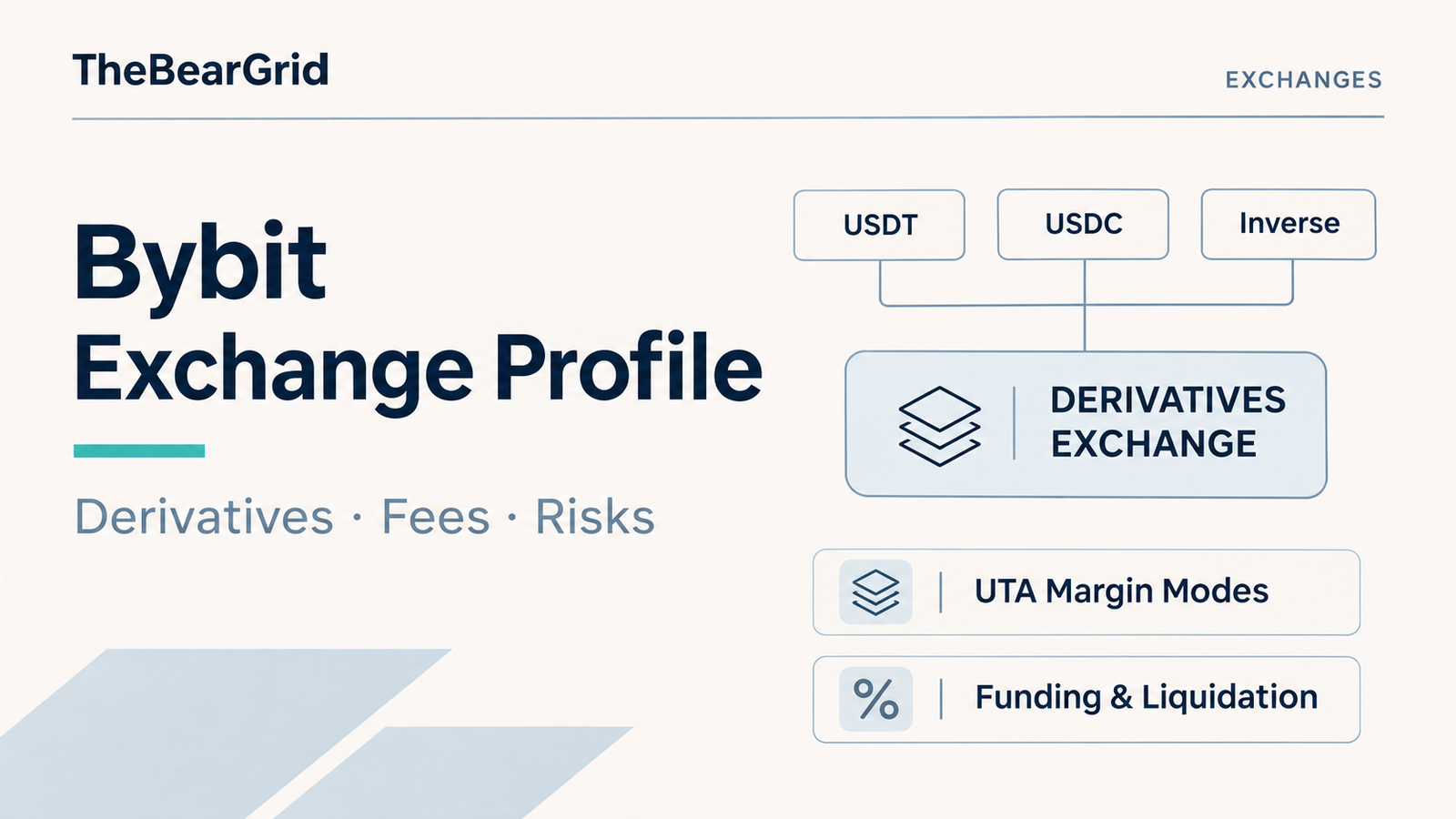
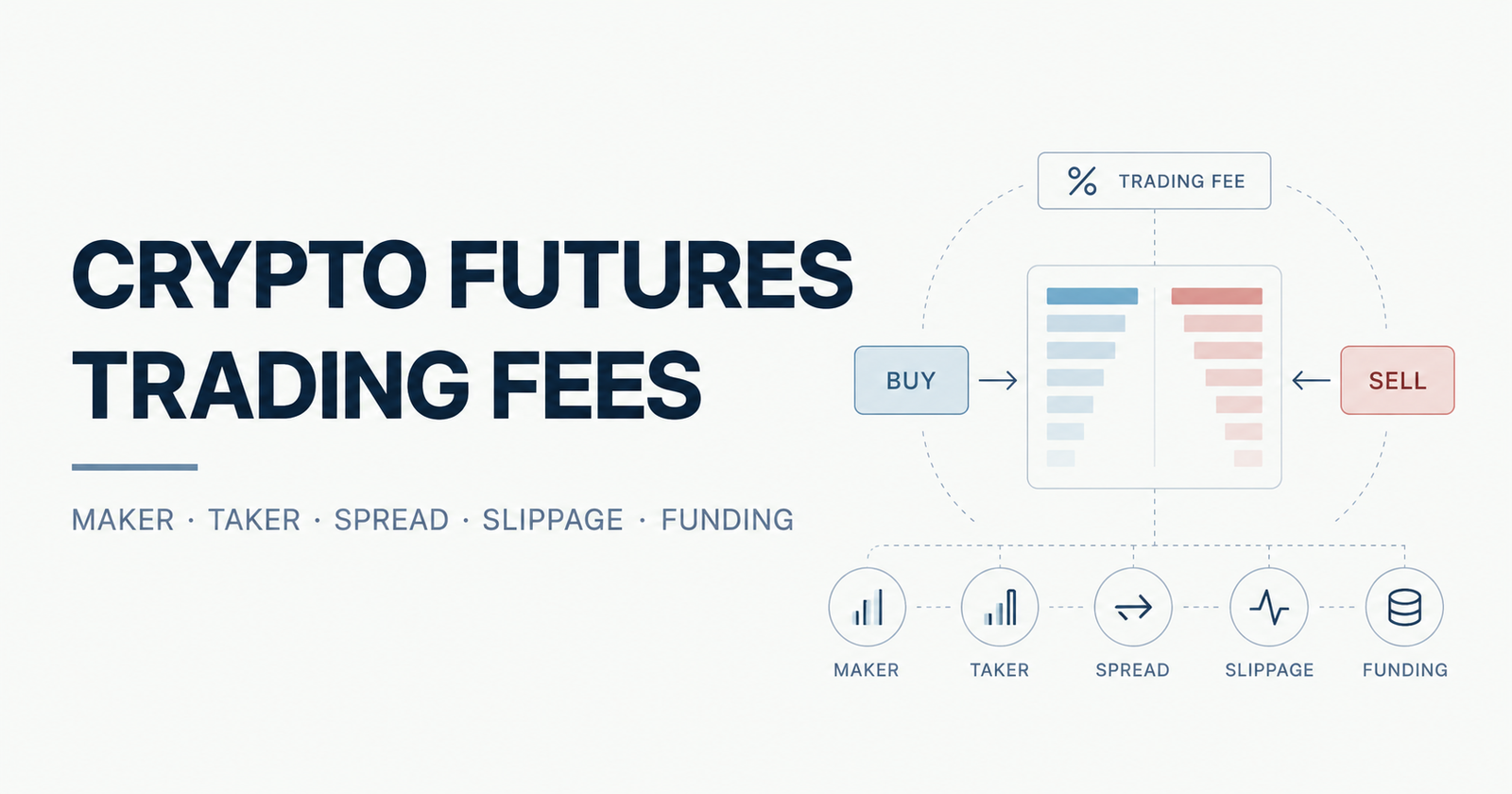
Bybit Futures exchange profile covering derivatives contracts, trading fees, unified trading account margin modes, and trading risks.

Bybit offers a range of cryptocurrency derivatives products, including USDT-margined, USDC-margined, and inverse futures contracts. Its Unified Trading Account (UTA) also allows eligible traders to manage different trading products and collateral assets within a shared account structure. For traders comparing cryptocurrency exchanges, these features create several ways to manage leveraged exposure. However, the availability of … Read more
OKX Exchange Profile: Derivatives, Fees, and Risks

OKX Futures exchange profile covering derivatives products, trading fees, account margin modes, funding rates, and risks.

OKX offers a range of cryptocurrency derivatives products, including perpetual futures, expiry futures, and options in eligible markets. Its trading infrastructure also supports different account configurations that determine how collateral, profits, losses, and margin requirements are managed. For traders comparing crypto exchanges, these features create several ways to obtain derivatives exposure. A trader can use … Read more

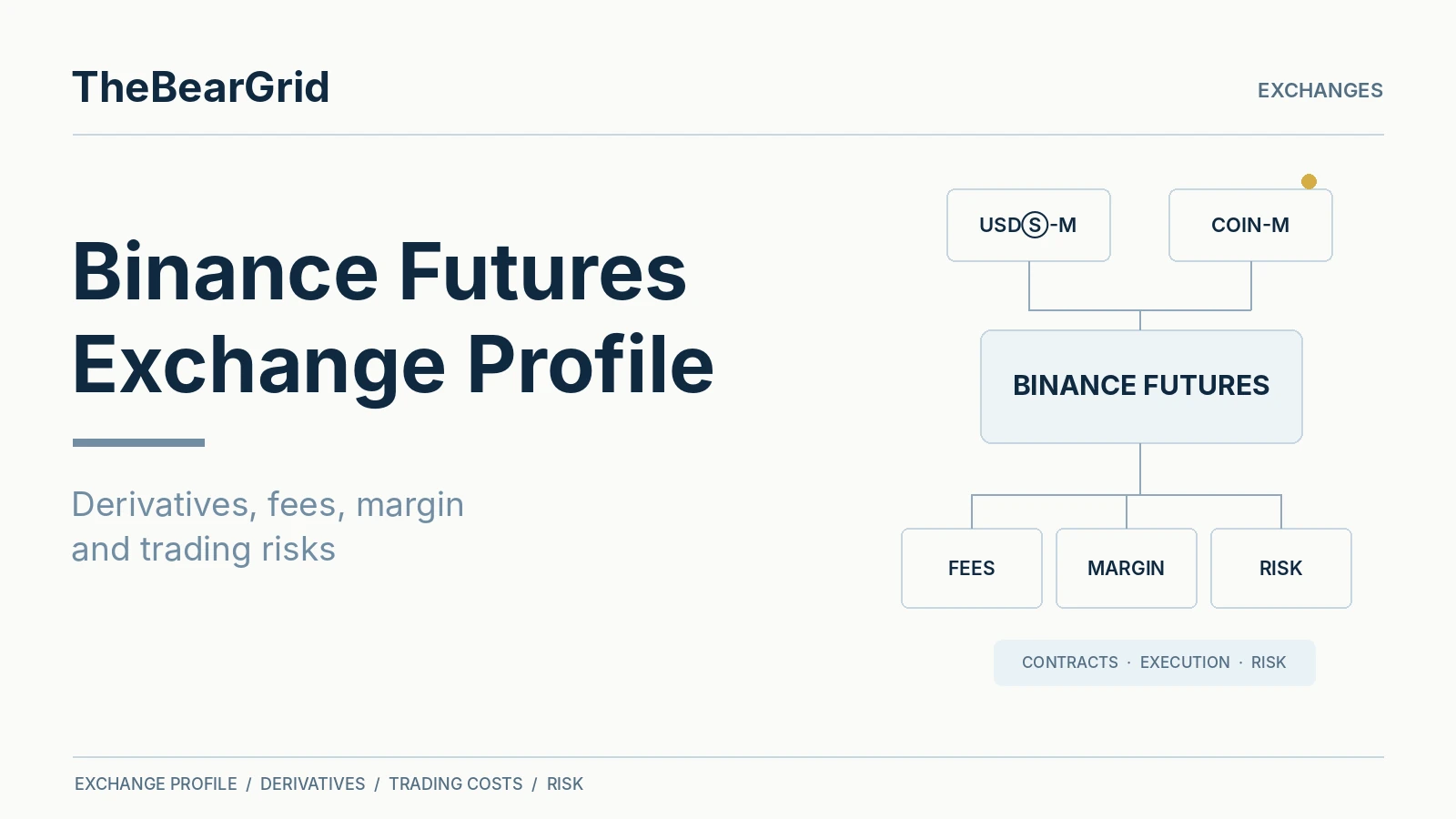
Binance Exchange Profile: Derivatives, Fees, and Risks

Binance Futures exchange profile covering derivatives contracts, trading fees, margin and trading risks.

Binance offers several types of crypto derivatives contracts, including stablecoin-margined (USDⓈ-M) and coin-margined (COIN-M) futures. For traders comparing cryptocurrency exchanges, these products provide different ways to obtain leveraged exposure, manage collateral, and structure trading positions. But evaluating Binance Futures requires more than reviewing its available contracts or advertised fee rates. The actual trading experience depends … Read more

Why Crypto Exchange Trading Volume Doesn’t Equal Liquidity

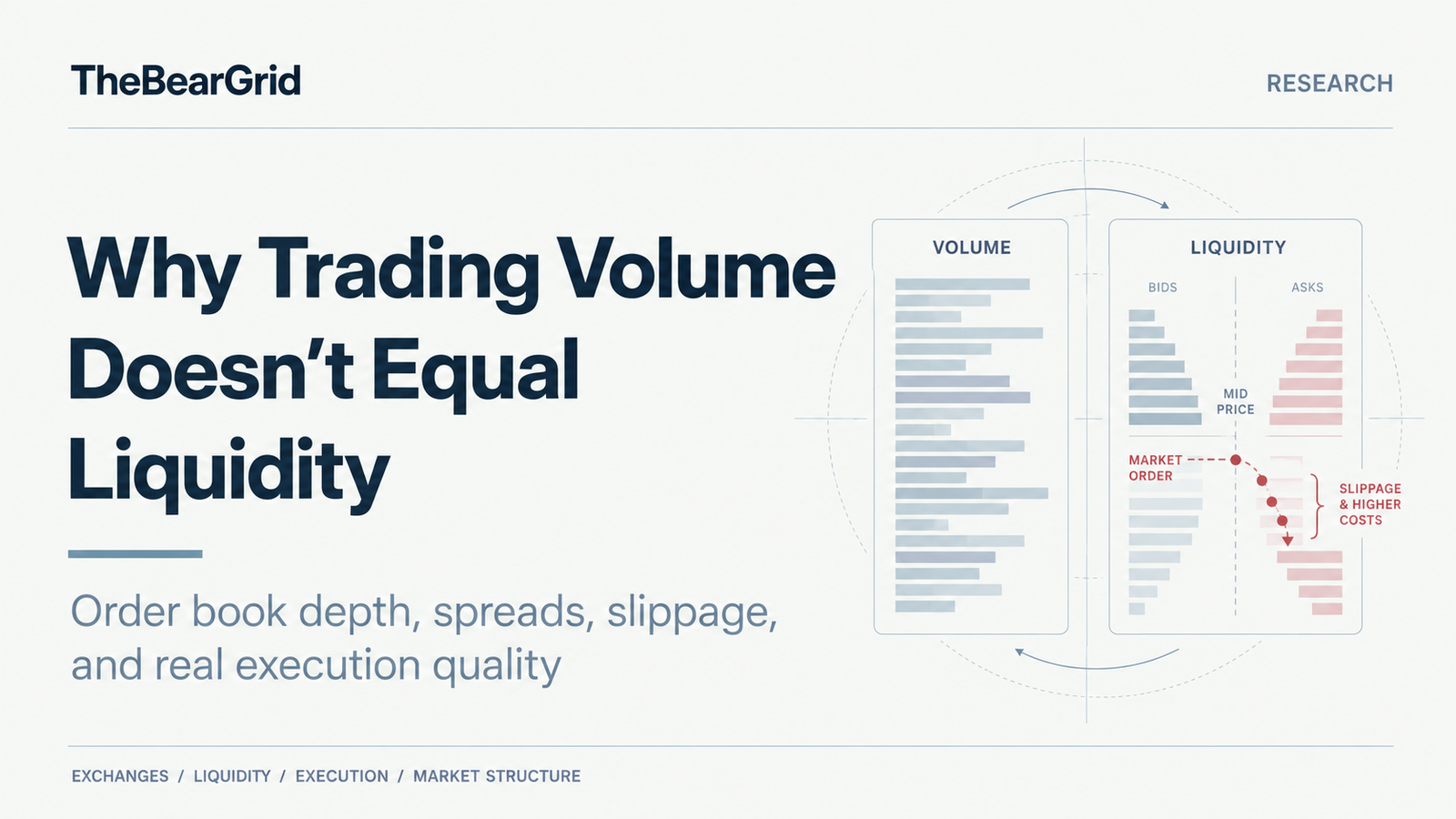
Comparison of crypto exchange trading volume and liquidity, illustrating order book depth, bid-ask spreads, and execution slippage.

Two crypto exchanges report similar daily trading volumes. Both offer Bitcoin perpetual futures, competitive trading fees, and substantial market activity. Yet a trader attempting to execute the same order may experience significantly different results. On one exchange, the order fills near the quoted market price. On the other, the order consumes several levels of the … Read more

How Crypto Futures Liquidation Works: Mark Price, Margin, and Risk

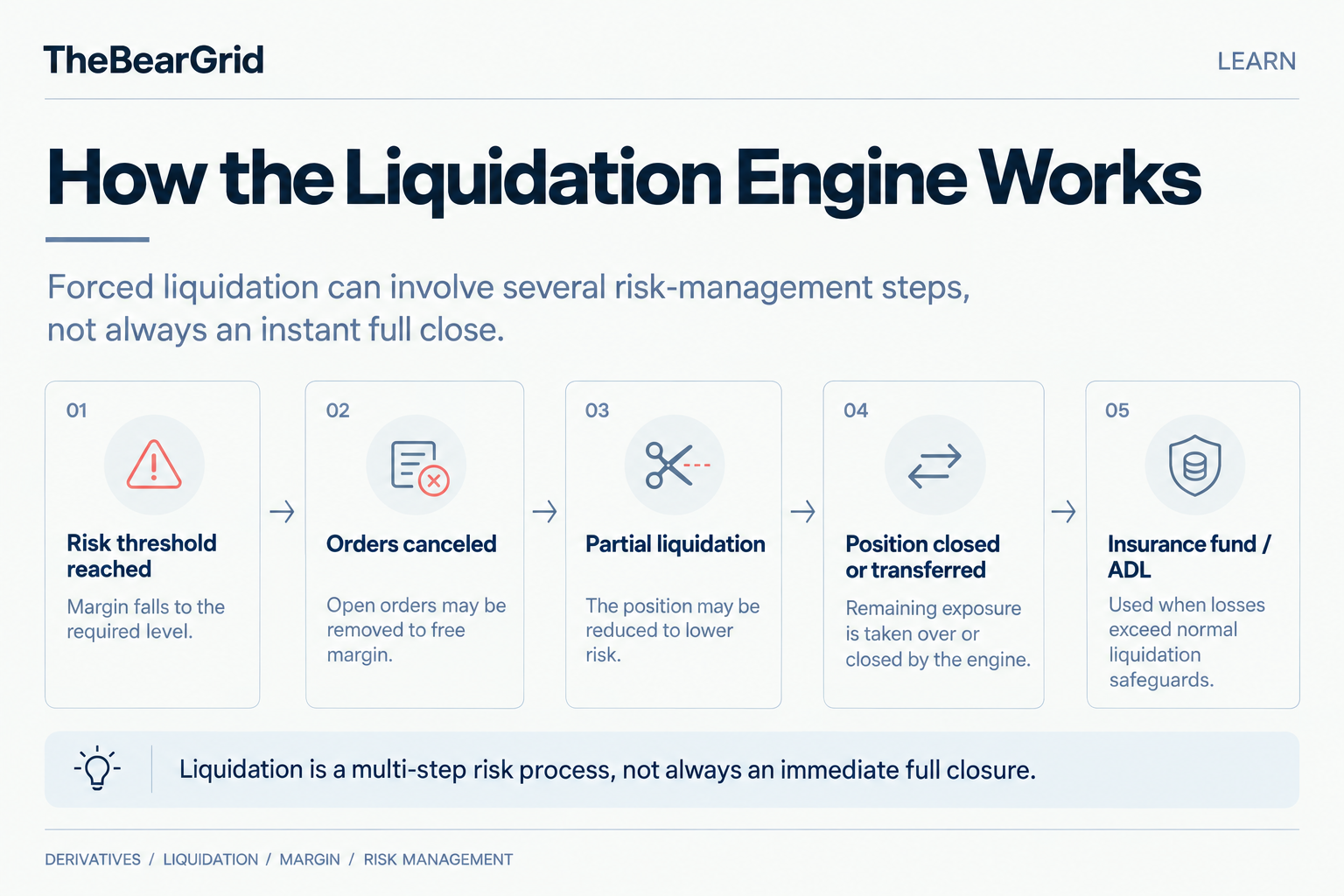
Crypto futures liquidation explained with mark price, margin requirements, and liquidation risk illustrated in a trading diagram.

A trader opens a leveraged Bitcoin futures position. The market moves against the trade, but the price shown on the candlestick chart has not yet reached the estimated liquidation price. Suddenly, the position is liquidated. How can this happen? The answer lies in how crypto exchanges calculate margin requirements, monitor positions, and execute forced liquidations. … Read more

What Is Open Interest in Crypto Futures? How to Read OI

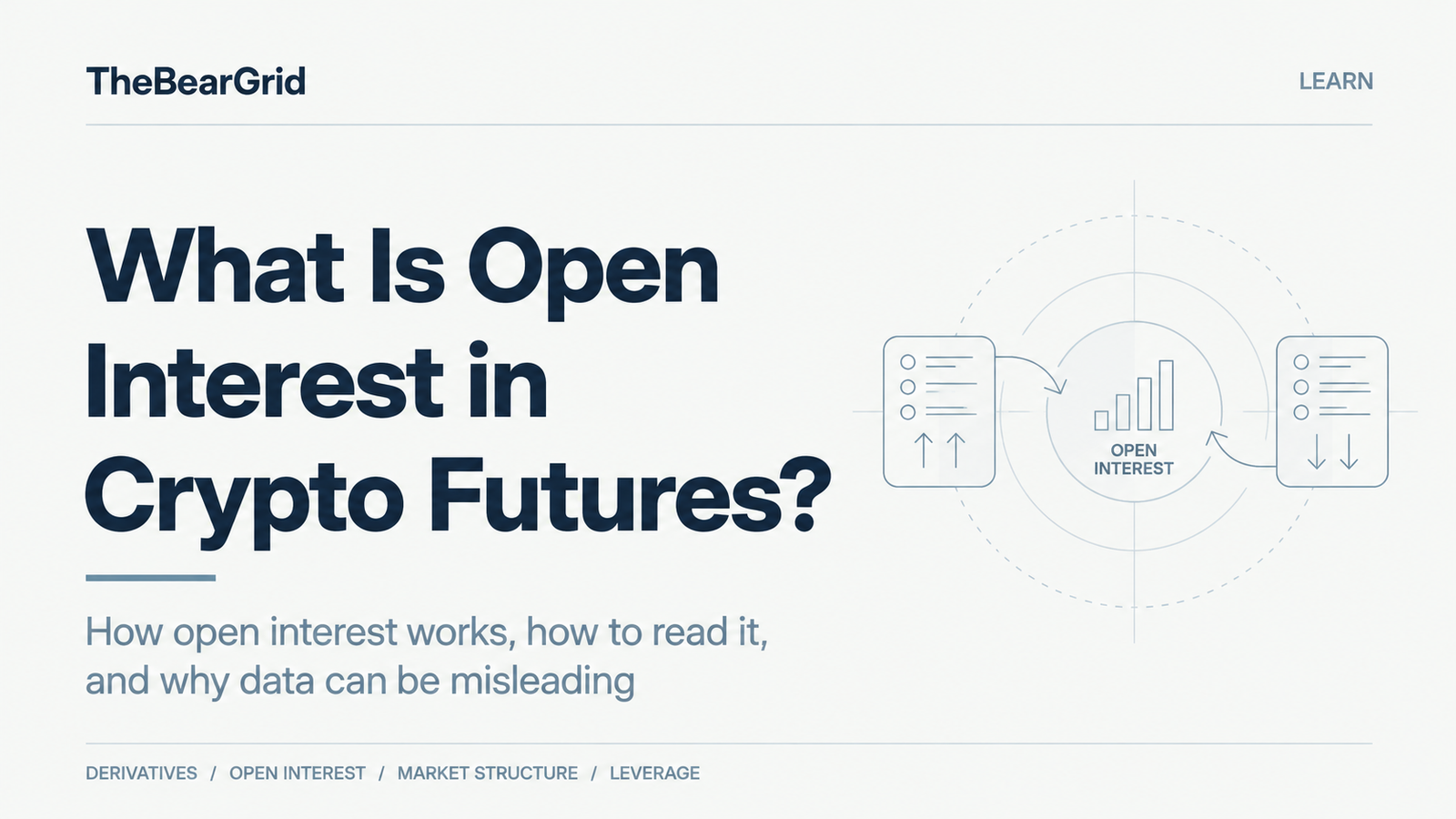
Open interest in crypto futures explained, with a diagram illustrating how outstanding contracts increase and decrease.

Bitcoin prices are rising, trading volume is increasing, and open interest is climbing at the same time. Does that mean more traders are opening leveraged long positions? Not necessarily. Open interest (OI) is one of the most widely followed indicators in crypto derivatives markets. Traders use it to evaluate changes in outstanding futures exposure, assess … Read more

What Is a Funding Rate in Crypto Perpetual Futures?

Crypto perpetual futures funding rate explained, with a diagram illustrating funding payments between long and short positions.

Funding rates are one of the most important—and frequently misunderstood—features of crypto perpetual futures trading. Unlike traditional futures contracts, perpetual futures have no fixed expiration date. Traders can maintain long or short positions without a scheduled contract maturity. But that flexibility creates a problem: without expiration, what keeps the perpetual futures price aligned with the … Read more

How Crypto Exchanges Compete for Perpetual Futures Traders

TheBearGrid Research: How Crypto Exchanges Compete for Perpetual Futures Traders

Crypto exchanges are competing for more than trading volume; they’re competing for the traders, liquidity, and capital that make their derivatives markets attractive in the first place. For perpetual futures traders, the choice of exchange can affect almost every part of a trade—from execution prices and funding costs to margin efficiency and liquidation risk. That … Read more

Crypto Derivatives Exchange Market Share: September 2026

TheBearGrid data report cover for crypto derivatives exchange market share in September 2026

Major centralized exchanges continued to dominate the crypto derivatives landscape in September 2026. Looking at data from CoinMarketCap Research, the 11 exchanges tracked in this sample processed about $4.06 trillion in derivatives volume during the month. That made up 84.2% of their combined spot and derivatives activity. Binance held a commanding lead with a 44.67% … Read more