Gate Exchange Profile: Derivatives, Fees, and Risks
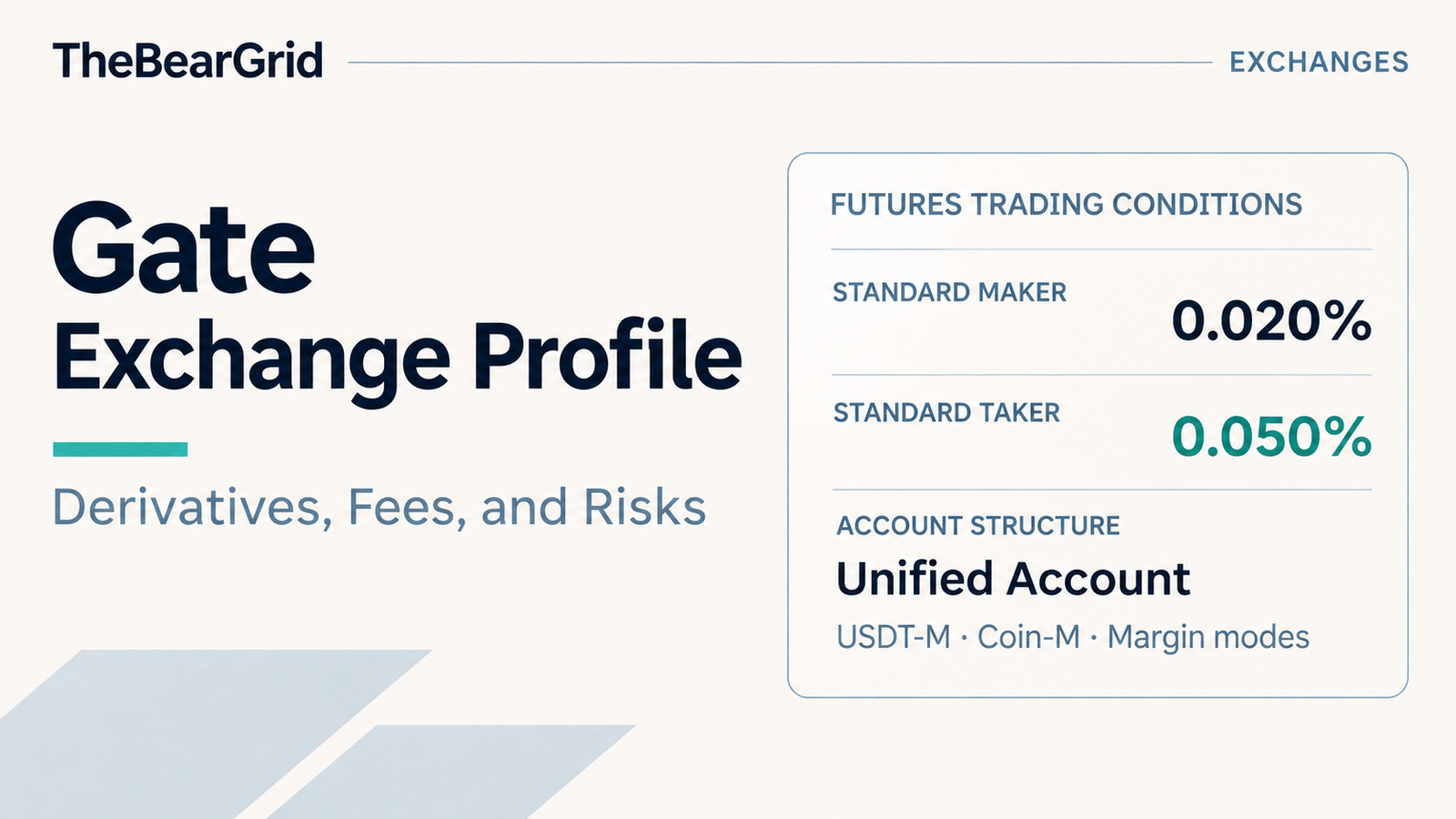
Gate exchange profile covering perpetual futures trading fees, derivatives markets, Unified Account margin modes, and risks

Gate offers a broad range of cryptocurrency derivatives, including USDT-margined and coin-margined perpetual futures. For traders comparing futures exchanges, however, contract availability is only one part of the decision. Trading fees, collateral efficiency, liquidation rules, and execution quality can have a greater impact on actual trading results. Gate also operates a Unified Account system with … Read more
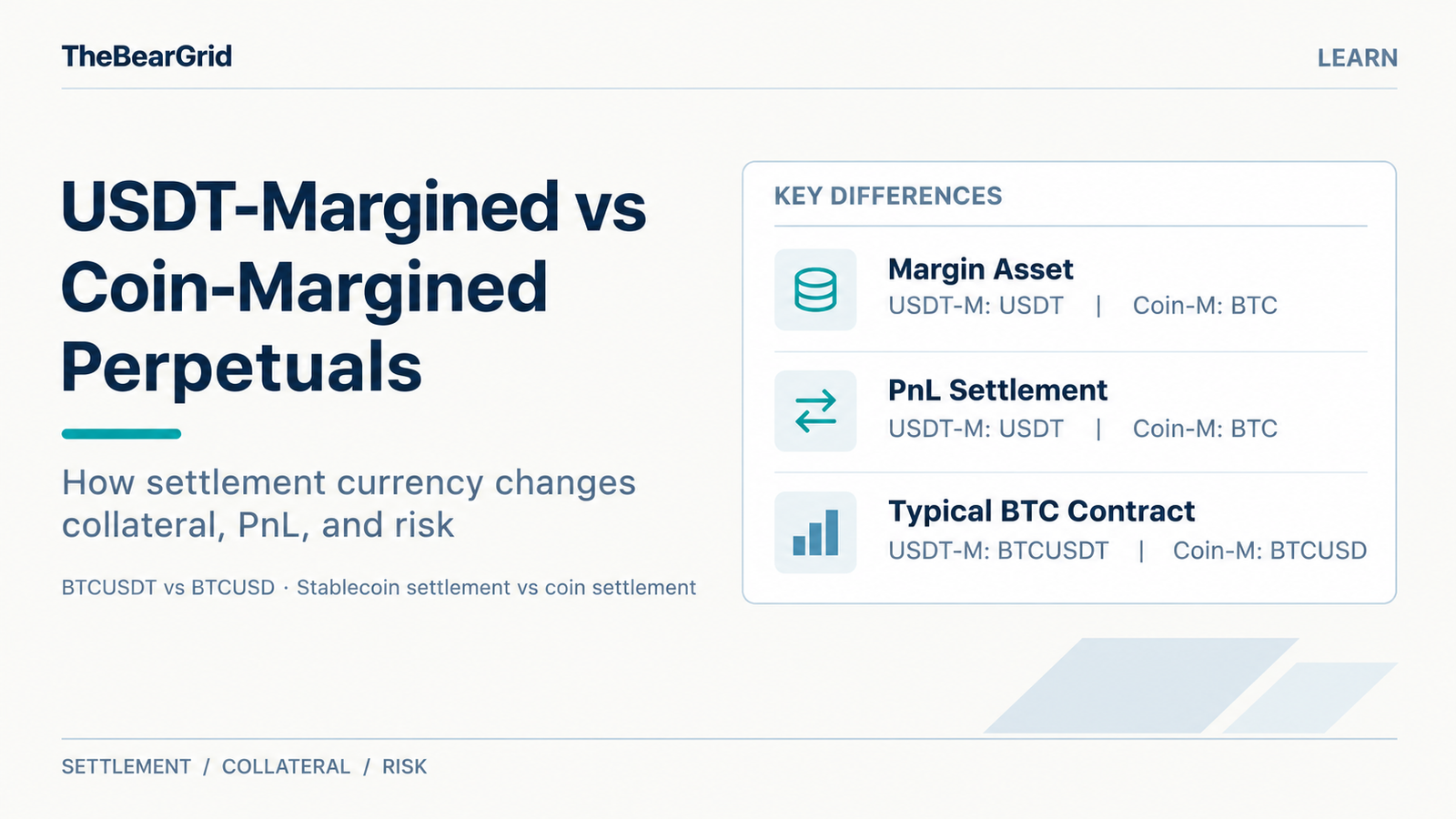
USDT-Margined vs Coin-Margined Perpetuals

USDT-margined vs coin-margined perpetual futures comparison showing differences in margin assets, PnL settlement currencies, and BTC contract types.

When trading BTC perpetual futures, two contracts may track the same underlying asset but produce profits and losses in different currencies. For example, BTCUSDT perpetual futures typically settle in USDT, while BTCUSD coin-margined perpetuals settle in BTC. That difference matters because the currency used as collateral and the currency received as profit can change a … Read more

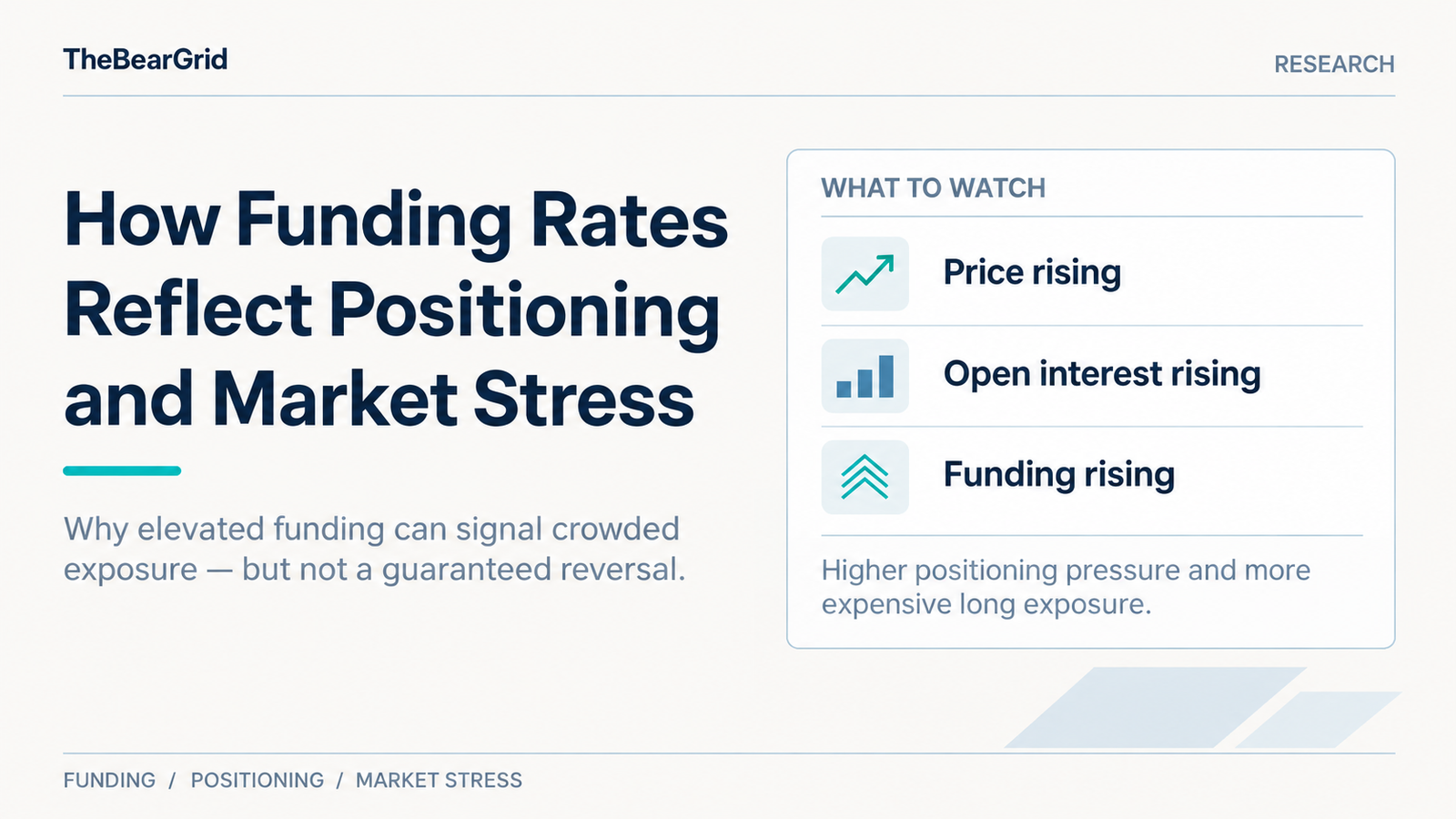
How Funding Rates Reflect Positioning and Market Stress

How crypto funding rates reflect market positioning and stress, with rising Bitcoin prices, open interest, and funding rates as key indicators.

A rising funding rate often attracts attention in crypto futures markets. Traders may interpret it as a sign of bullish sentiment—or a warning that the market is becoming overheated. But high funding does not automatically mean a price reversal is coming. Funding rates are more useful when viewed as a measure of positioning pressure and … Read more

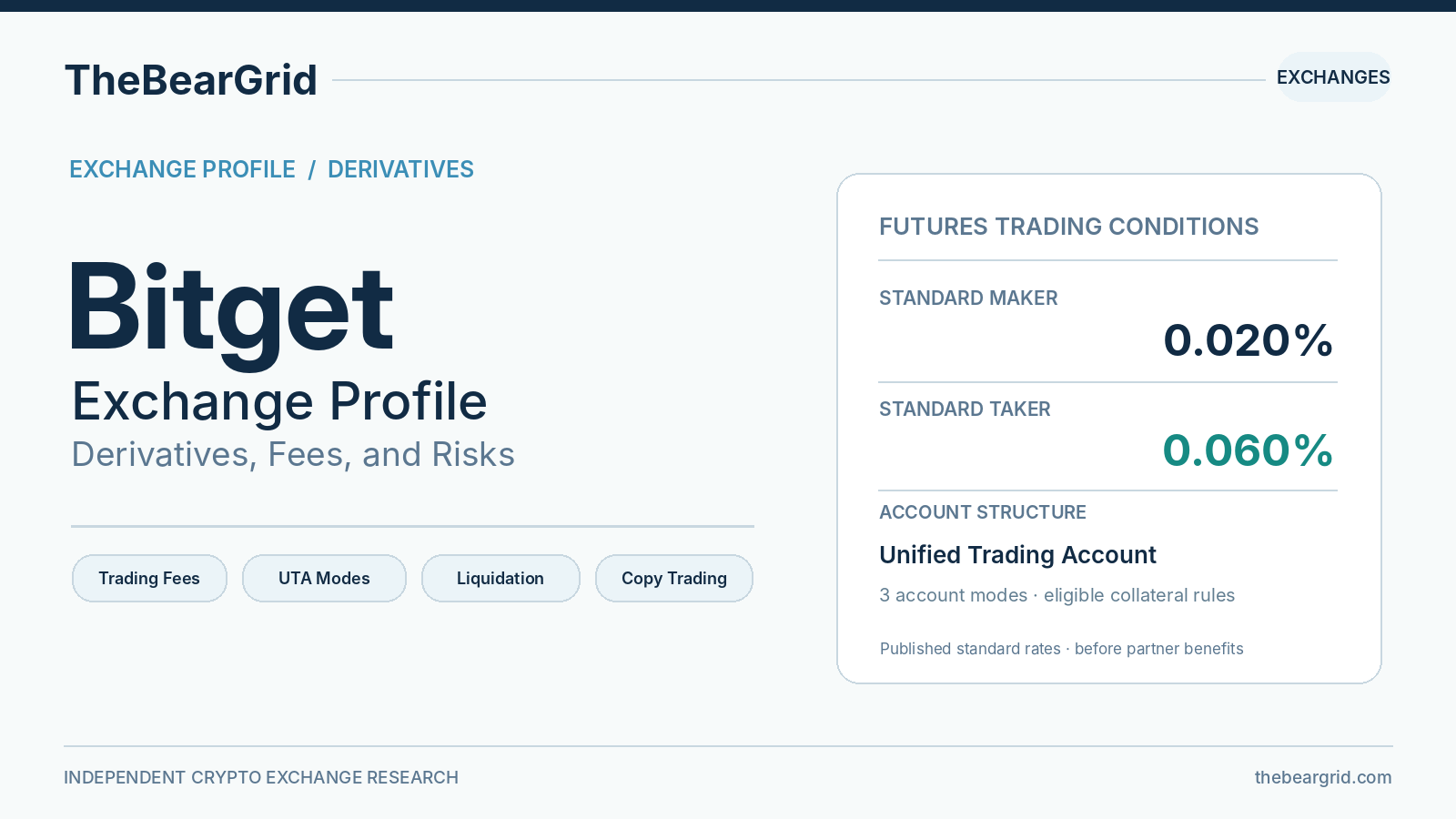
Bitget Exchange Profile: Derivatives, Fees, and Risks

Bitget futures exchange profile covering derivatives products, trading fees, unified trading account margin modes, and liquidation risks.

Bitget offers cryptocurrency derivatives trading across several contract types, alongside futures copy trading and a unified account structure for managing eligible collateral. For perpetual futures traders, the platform’s main considerations are not simply the number of markets available. Trading fees, settlement currencies, margin arrangements, and liquidation procedures all affect the cost and risk of holding … Read more

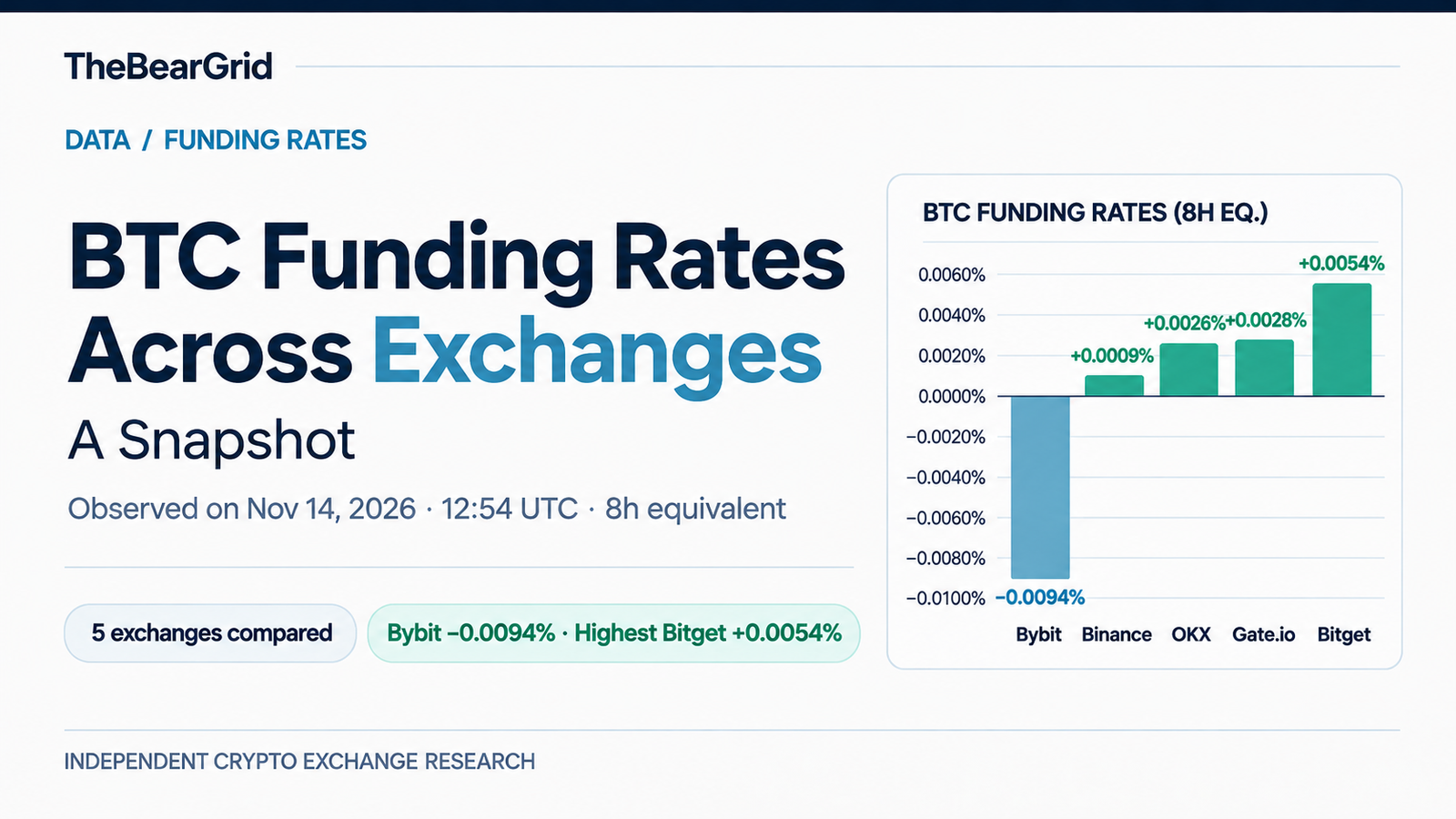
BTC Perpetual Funding Rates Across Exchanges: A Snapshot

BTC perpetual funding rates across five crypto exchanges, November 14, 2026 snapshot with eight-hour equivalent rates.

BTC perpetual futures funding rates can differ across exchanges, even when traders are exposed to the same underlying asset. These differences affect the cost of holding leveraged positions and can change which side of a trade pays funding. This snapshot compares five major exchanges using funding-rate data observed on November 14, 2026, at 12:54 UTC. … Read more

Bybit vs OKX for Perpetual Futures Trading

Bybit vs OKX perpetual futures comparison covering trading fees, funding rates, margin modes, and liquidation risk.

Bybit and OKX both offer crypto perpetual futures, but choosing between them involves more than comparing trading fees. An exchange with a lower taker fee may not provide the lowest total trading cost. A platform with more flexible collateral arrangements may also introduce risks that are easy to overlook. For perpetual futures traders, the practical … Read more

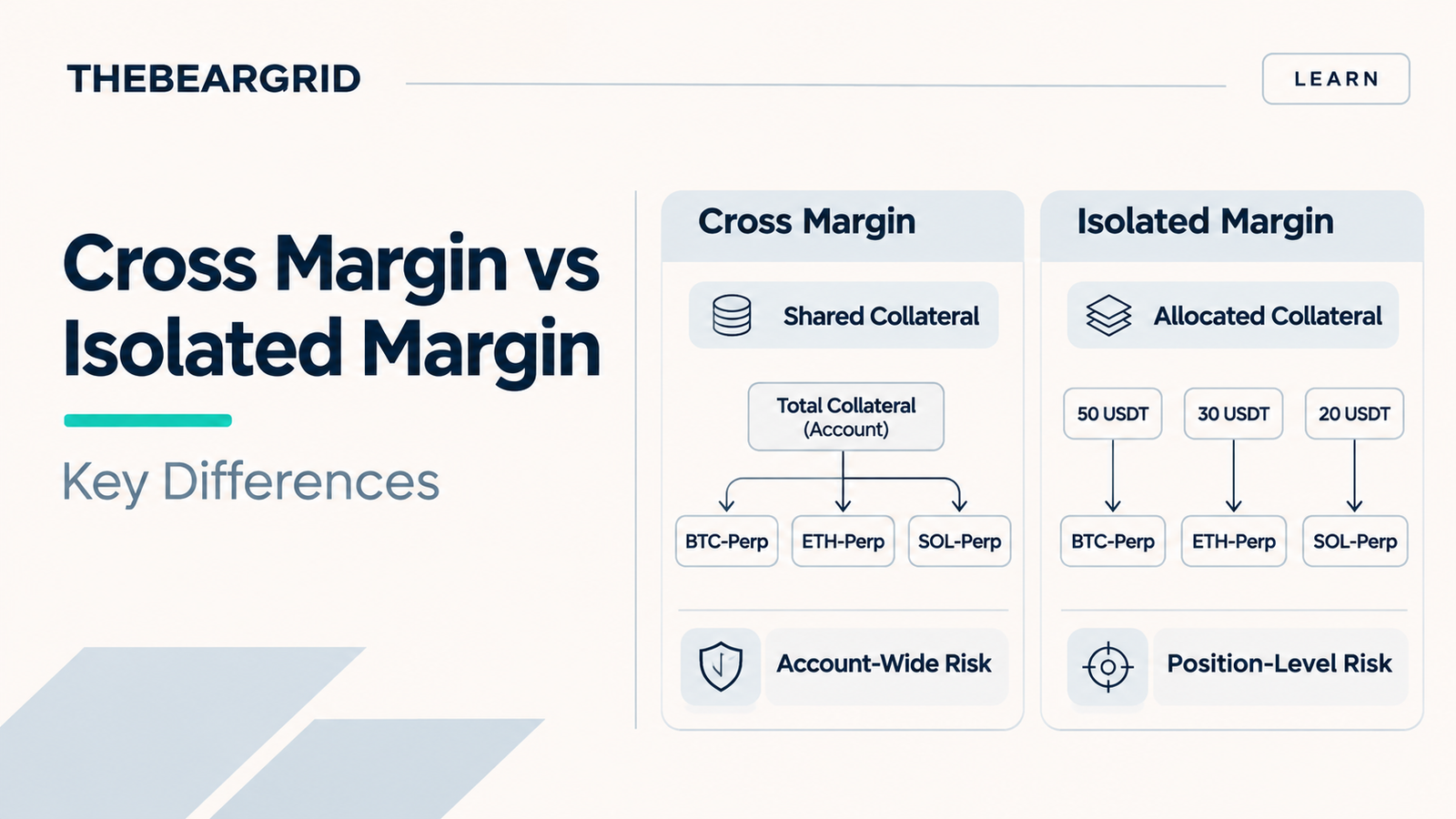
Cross Margin vs Isolated Margin: Key Differences

Cross margin vs isolated margin in crypto perpetual futures, comparing shared collateral, allocated collateral, and trading risk.

Two traders open the same Bitcoin perpetual futures position with the same leverage. Both enter at the same price. Both experience the same market movement. Yet one position approaches liquidation while the other still has additional collateral available. The difference may come from the margin mode. Cross Margin and Isolated Margin determine how collateral supports … Read more

Mark Price vs Index Price vs Last Traded Price

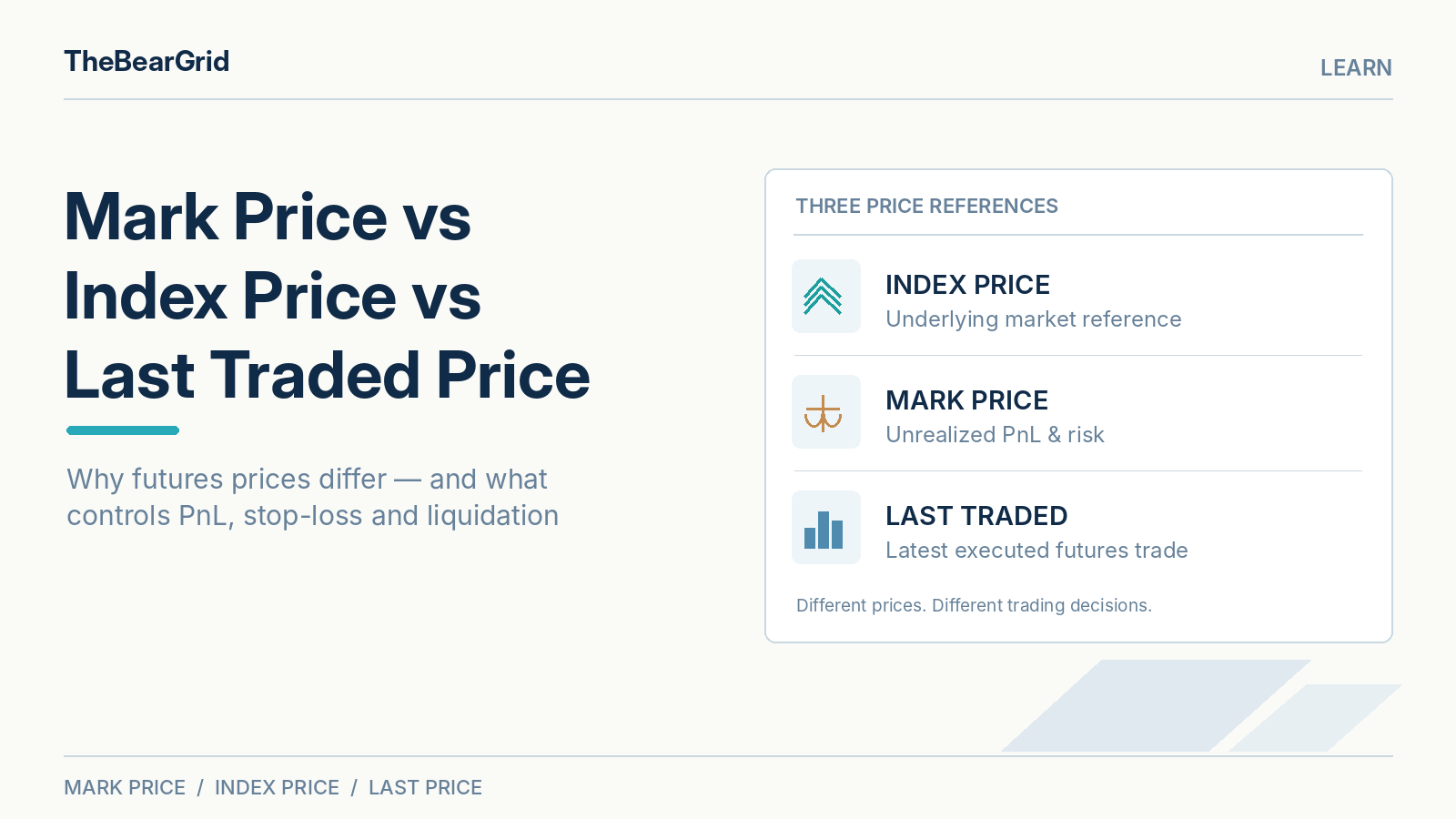
Comparison of mark price, index price, and last traded price in crypto perpetual futures.

A Bitcoin perpetual futures chart shows BTC trading above your entry price, yet your position displays an unrealized loss. Or the opposite happens: your position is liquidated even though the price on the candlestick chart never appears to reach your liquidation level. These situations can occur because a futures exchange uses several different price references … Read more

Crypto Exchange Open Interest: A Point-in-Time Comparison

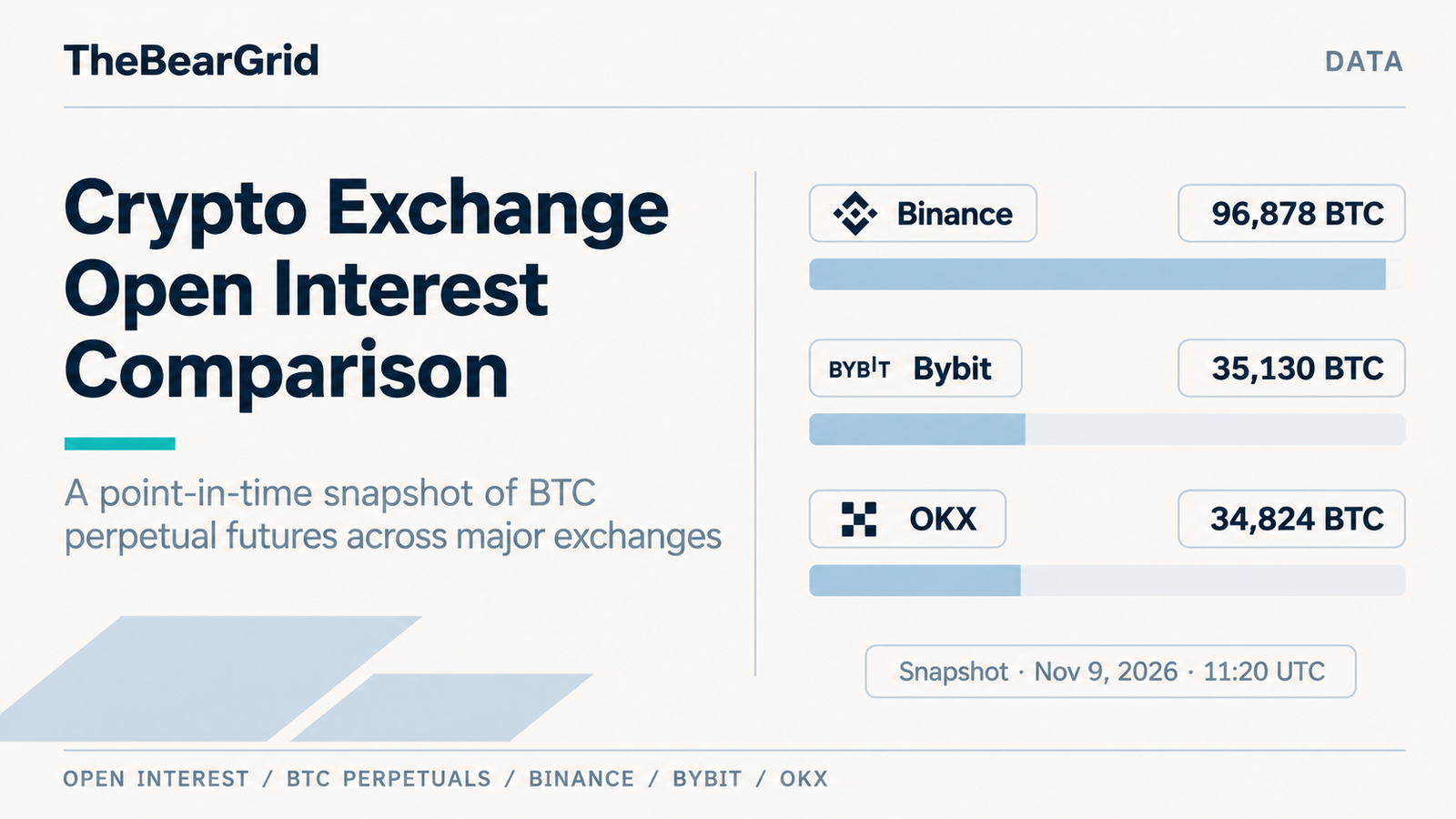
Crypto exchange open interest comparison for Binance, Bybit and OKX BTC perpetual futures, November 9, 2026.

Open interest is one of the most widely followed indicators in crypto derivatives markets. Yet comparing it across exchanges is not as straightforward as checking which platform reports the largest number. Contract coverage, reporting units, and even the way open positions are counted can differ between venues. This report examines Bitcoin perpetual futures open interest … Read more

Why Derivatives Market Share Shifts Between Exchanges

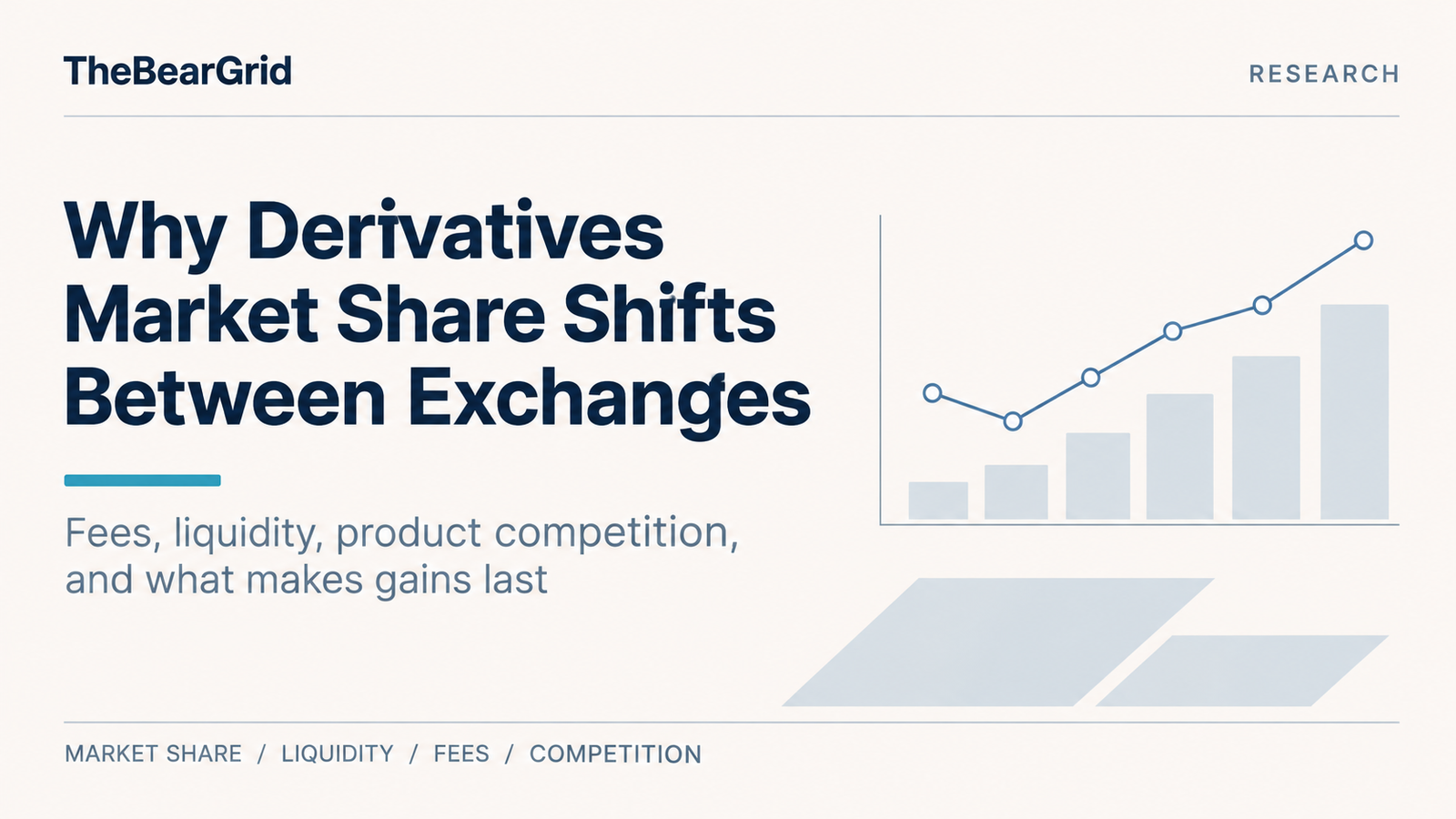
Why derivatives market share shifts between crypto exchanges, examining trading fees, liquidity, product competition, and sustainable growth.

An exchange can increase its futures trading volume and still lose market share. That may sound contradictory, but market share measures an exchange’s activity relative to its competitors. When the broader derivatives market expands, an exchange must grow faster than the market to gain share. This distinction matters because crypto derivatives trading is not distributed … Read more